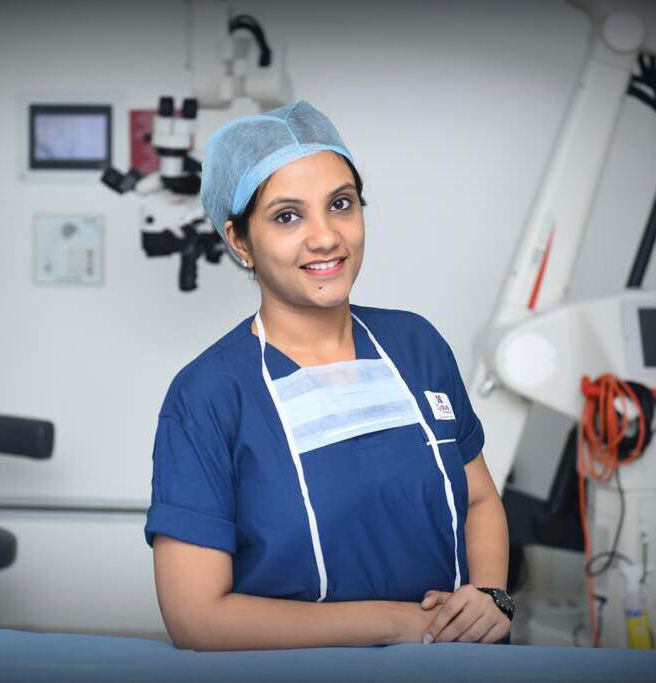
When people hear the word “chemotherapy”, a wave of emotions usually follows. Fear, confusion, hesitation. That is completely normal. If you are about to start chemo as part of breast cancer treatment, knowing what happens can make it easy. Talking to your breast cancer doctor can also help ease some of those early worries.
Let us walk through it. As clearly and honestly as possible.
Understanding Chemotherapy
Chemotherapy involves the use of powerful medication to target cancer cells. It travels through the bloodstream and works throughout your entire body.
Whether it is once a week, a few weeks, or a year, how many chemo rounds, what type of chemo, what will be the cost, etc., will be discussed by your oncologist with you. It can feel like a lot at once. Bring a friend or family member with you for their support. Write things down. It helps.
Preparing for Chemotherapy
Before your first chemo session, there are some steps to get ready. Blood tests. Scans. Heart checks. Sounds like a big deal – but most people say it makes the process smoother in the long run.
Your doctor will explain the side effects. What is common? What might happen? And what needs attention? These conversations are not to scare you. They are there to prepare you. The realization that you are not alone and that others have gone through the same and come out stronger can be quietly reassuring.
What Happens During Chemotherapy Session?
Chemotherapy is usually given at a hospital or clinic, and most people do not need to stay overnight.
The nurses will insert an IV or use a port (a small device under your skin used for easy access) if you have one. Others read or listen to music. You can scroll your phone. Or talk. Or stay quiet. It is your space.
You might feel fine during the session. Or tired. You may laugh at something small. Or feel nothing at all. Whatever you feel is okay.
Side-Effects You Might Notice
Chemo affects everyone differently. Some side effects are common:
- Hair loss often begins in a few weeks.
- Fatigue can feel like more than just being tired. Rest helps, but it might linger.
- Nausea is manageable for most. But speak up if the medicine is not helping.
- Mouth sores can be painful. Rinsing often and avoiding spicy or acidic food can make a difference.
- You may feel mentally foggy. However, it usually gets better with time.
Managing Life Between Chemotherapy Cycles
Chemo is given in cycles. That means there is time between treatments.
Some days you will feel okay. Others, not so much. Patterns might start to appear. You might know which days are better for errands or calls. You will find food you can eat. You will learn what brings comfort, and what does not.
Let people help you. If someone asks what they can do, tell them. Ask for a meal, or a ride, or quiet company on a tough day. People do not always know what to offer. You can guide them.
How Does It Feel Emotionally?
This part is often not talked about enough.
Chemo affects more than your body. It reaches deep into your emotions. There might be days when you cry without knowing why. Or feel numb. Or feel like yourself one minute and a stranger the next.
You might not want to look in the mirror. Or you might find new strength in your reflection.
You may question the future. Or find peace in small things—like a friend’s message or a breeze on your face.
Support helps. Talk to someone. A counselor. A survivor. A support group. Knowing others have gone through this—and come out the other side—can make a quiet difference.
Final Thoughts
Chemotherapy is hard. But it is also part of your healing. You might lose your hair, your appetite, your energy. But there is something else that grows during this time. You will find it in your patience. In your strength. In your ability to show up, even when it is hard.
Keep asking questions. Drink water. Rest when you need to. Laugh when you can.
And remember – healing is not about being strong every day. It is about moving forward, even on the days you feel like stopping.